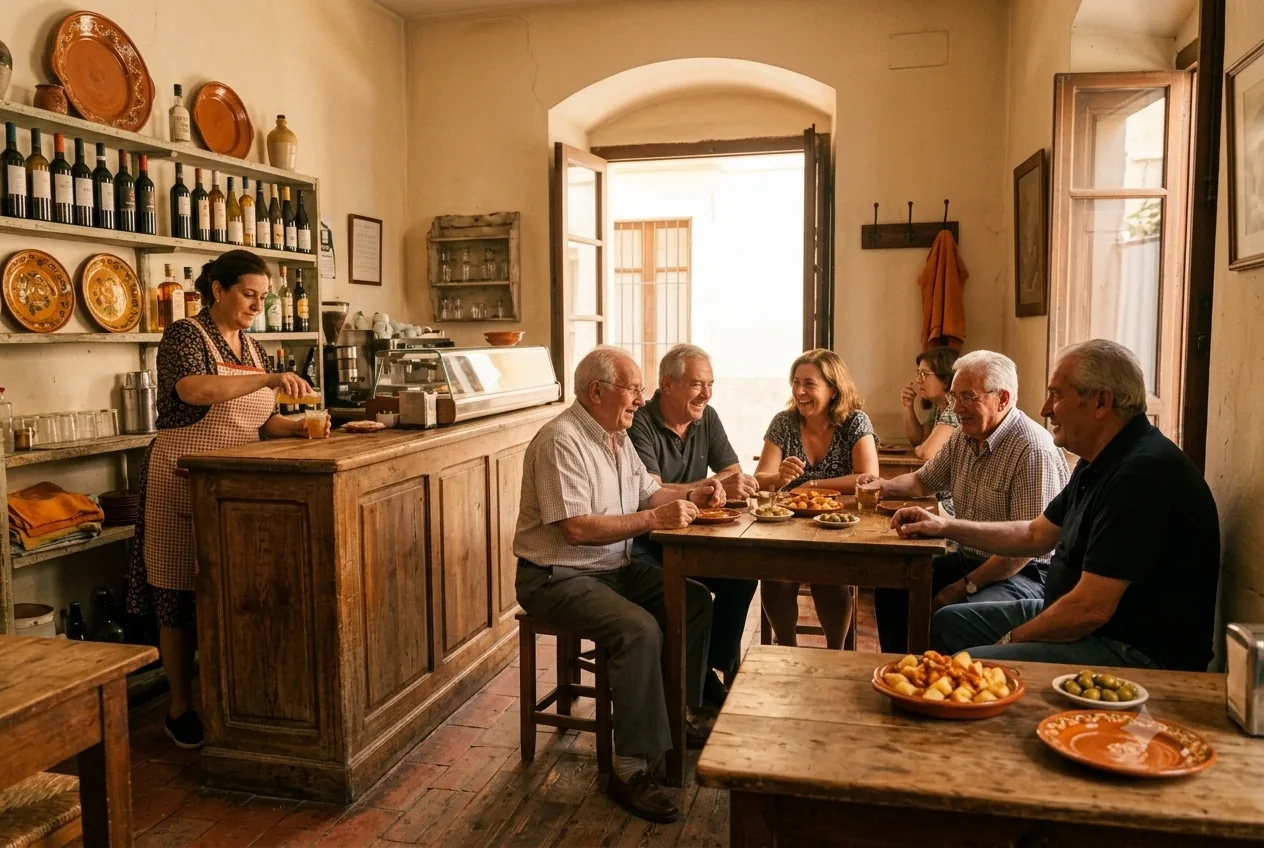
Short answer: to truly know a city, don't stop at the "10 things to see" list. Look for deeper layers: neighborhood food, markets, local culture and activities that don't show up on the first page of Google. Use curated guides (not algorithms that repeat the same thing to everyone), explore the destination before you go, and keep that information available offline to decide on the spot.
Why the top-10 disappoints
"What to see in [city]" lists are optimized for the click, not for your experience. They all point to the same crowded monuments and the restaurants that pay to appear. The result: you overpay, you queue, and you come home with the same photos as millions of people. The memorable stuff — the bar where locals eat, the neighborhood with life, the viewpoint without tourists — is almost never there.
The 4 layers of a city worth looking for
- Real local food. Not the tourist trap downtown: the market, the neighborhood tavern, the dish only eaten there.
- Neighborhoods with identity. Where people actually live and move, not just the postcard old town.
- Living culture. Beyond the flagship museum: music, crafts, traditions, history told by those who live it.
- Local activities. What locals do in their free time, not what you "have to do".
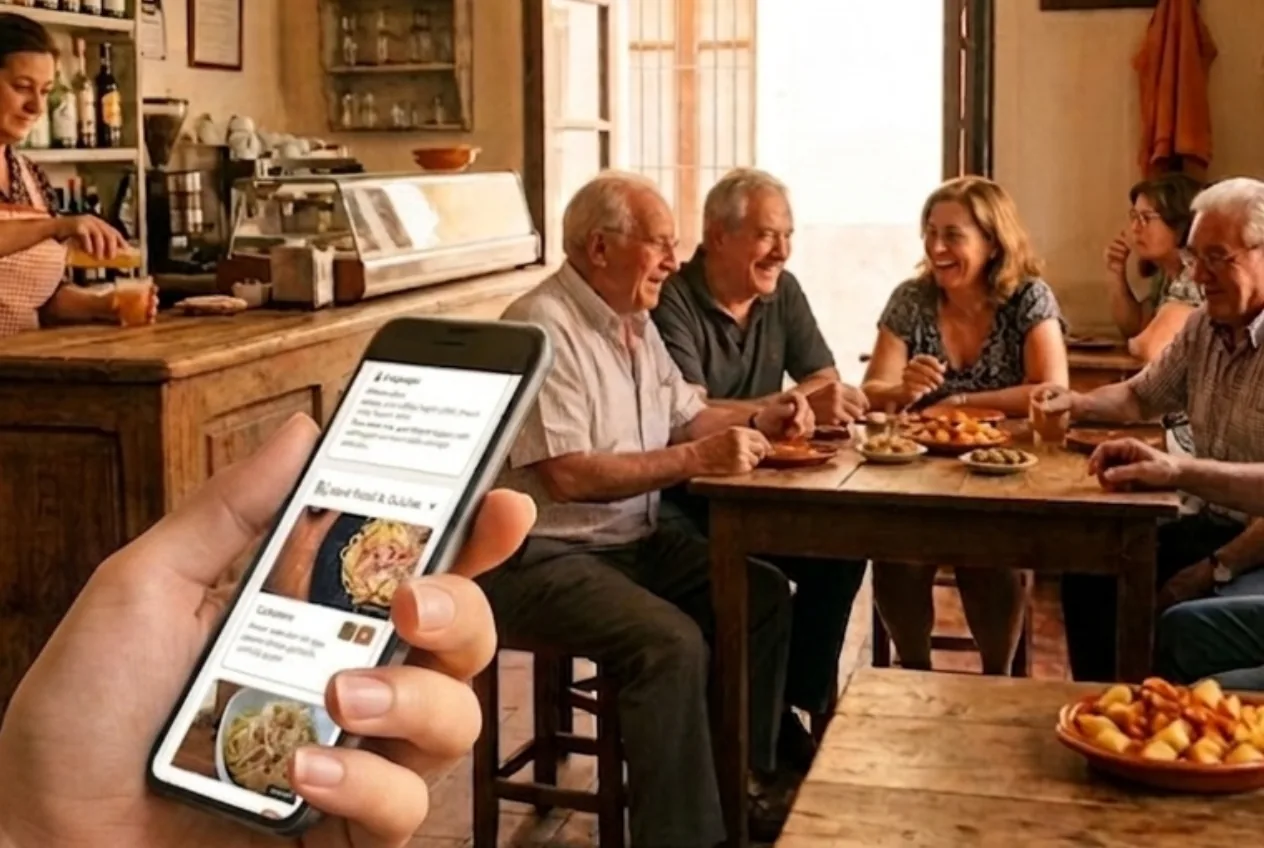
How to find them (a method)
- Explore before you go. Spend a while researching the destination like a small encyclopedia: countries, cities, typical food and culture. Arriving informed changes the trip.
- Prioritize human-curated sources, not automatic rankings. A guide made with judgment saves you the noise.
- Cross languages. The best of a place is sometimes only written in the local language; a multilingual guide brings it closer.
- Keep it offline. The best decisions are made on the street, with no signal. Have the guide available with no data.
How Wayfare solves it
Wayfare's City Intelligence module is exactly this: curated guides to hundreds of European cities — restaurants, monuments, cultural corners and local activities — presented with real data, not an automatic top-10. And Explore Mode lets you research countries, cities, food and culture before traveling, like a built-in travel wiki. All multilingual (ES/EN/FR) and available offline.
As I say in the app: most apps give you a list; Wayfare gives you a map of everything worth it.
→ Try Wayfare · Full guide: How to plan a trip step by step.
Frequently asked questions
How do I find the places where locals eat?
Get away from the tourist center, look for markets and neighborhood taverns, and use human-curated guides instead of automatic rankings.
Is it worth researching the city before going?
Yes. Arriving knowing what to eat, which neighborhoods to walk and what culture is there helps you make far more of your time and avoid tourist traps.
Can I check the guide offline?
With an offline-first app like Wayfare, yes: the city guide is available with no data, right when you need it on the street.
Written by Érico Dias, creator of Wayfare.